H-beam
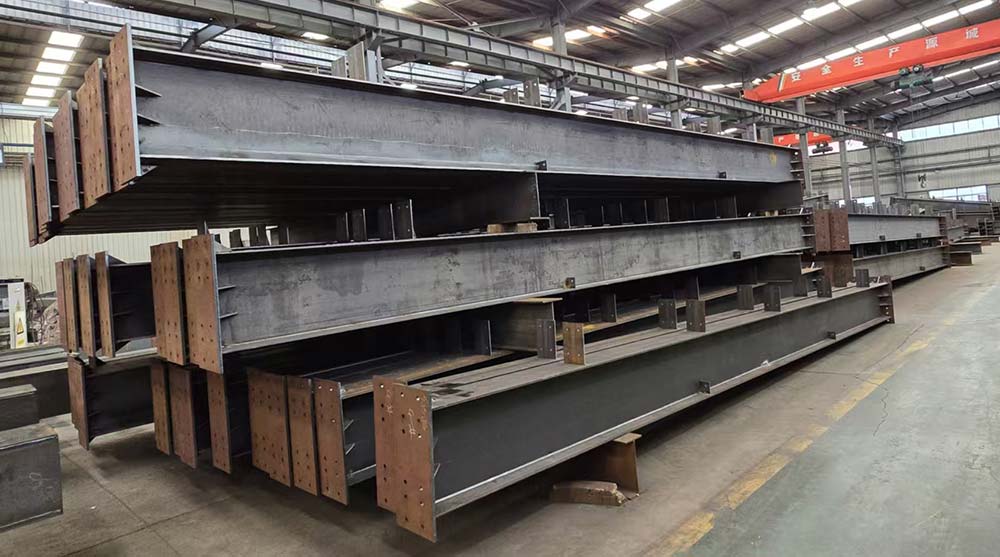
H-beams are hot-rolled structural steel sections with an “H”-shaped cross-section, parallel inner and outer flange surfaces, and no bevel at the flange ends. They are formed by hot rolling steel billets in a single pass using a universal rolling mill, followed by straightening, length sawing, and surface inspection. They offer reasonable stress distribution and a large section modulus, saving approximately 10%–15% of steel compared to welded composite sections. They are a core load-bearing material for steel structure buildings and infrastructure. Products conform to GB/T 11263-2017 “Hot-rolled H-beam and Split T-beam” and can be supplied according to international standards such as ASTM A6/A992, EN 10034/10365, and JIS G3192.
Material and Surface Treatment
| Standard / System | Common Grades | Yield Strength (Reference) |
|---|---|---|
| China GB | Q235B, Q355B, Q390B, Q420B, Q460B; weathering steel Q355NH | ≥235 / ≥355 / ≥390 / ≥420 / ≥460 MPa |
| USA ASTM | A36, A572 Gr.50, A992 Gr.50 (for W-shapes), A588 weathering steel | ≥250 / ≥345 / ≥345 MPa |
| Europe EN | S235JR, S275JR, S355JR, S355J2 (EN 10025-2) | ≥235 / ≥275 / ≥355 MPa |
| Japan JIS | SS400, SM490, SN490 (JIS G3192) | ≥245 / ≥325 MPa |
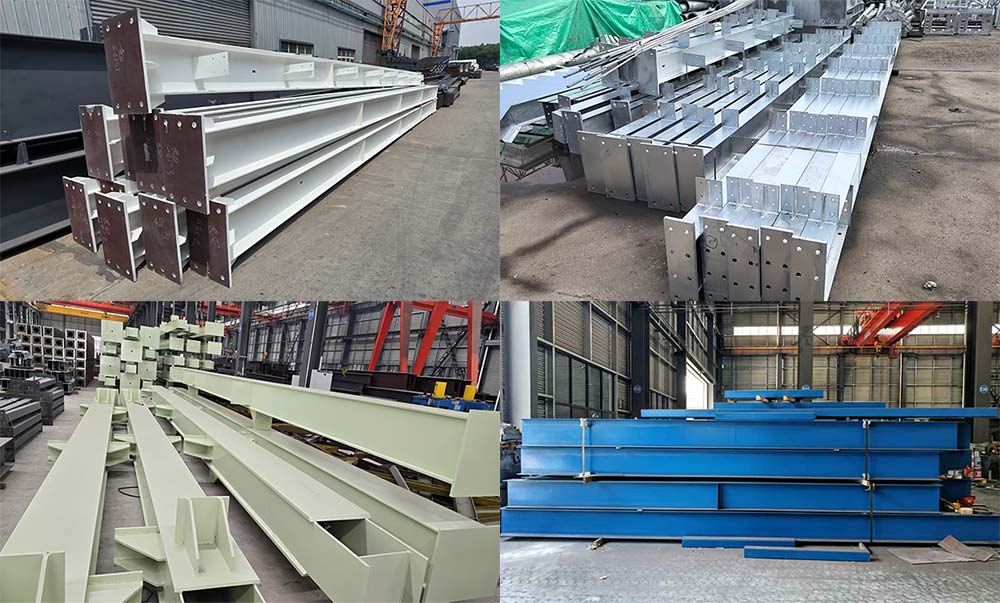
Surface Treatment: Hot-rolled black skin (can be coated with anti-rust oil), shot blasting followed by anti-rust primer, hot-dip galvanizing (zinc layer up to 30–600 g/m², outdoor service life exceeding 30 years), epoxy zinc-rich paint. Seismic-resistant structures using A992 have control requirements on the upper limit of yield strength (≤450 MPa) and yield-to-tensile ratio (≤0.85), ensuring better ductility.
Structural Characteristics
The cross-section consists of an upper flange, a lower flange, a web, and a circular transition zone at the junction of the flange and web. Specifications are marked as H×B×t₁×t₂ (H = cross-section height, B = flange width, t₁ = web thickness, t₂ = flange thickness), such as HW200×200×8×12.
Based on flange width, there are three main series:
- HW (wide flange, B≈H) – square cross-section, good stability, mainly used for columns;
- HM (medium flange) – suitable for both beams and columns;
- HN (narrow flange, H≈2B) – high strong-axis bending efficiency, mainly used for beams.
There is also T-shaped steel, which is formed by splitting H-sections along the web. Parallel flanges simplify bolted connections and welded joints, eliminating directional force deviation.
Product Parameters
| Parameter | Common Range |
|---|---|
| Section depth, H | 100–900 mm (HEA/HEB up to 1000 mm) |
| Flange width, B | 100–400 mm (some ASTM W-shapes over 400 mm) |
| Web thickness, t₁ | 5.5–16 mm (heavier sections up to 28 mm or more) |
| Flange thickness, t₂ | 8–28 mm (heavier sections up to 40 mm) |
| Cut-to-length | 6 / 9 / 12 m standard; customizable up to 18 m |
| Dimensional tolerance | Section depth ±2.0 mm; flange width ±3.0 mm (per GB/T 11263) |
| Mechanical properties | Q235B: yield ≥235 MPa, tensile 370–500 MPa; Q355B: yield ≥355 MPa; A992: yield ≥345 MPa, tensile 450–620 MPa |
| Section properties | Ix/Iy (moment of inertia), Wx/Wy (section modulus), radius of gyration, etc., for structural design |
Theoretical Weight Reference for Common Specifications:
- HW100×100×6×8 ≈ 17.2 kg/m;
- HW200×200×8×12 ≈ 50.5 kg/m;
- HN400×200×8×13 ≈ 66.0 kg/m;
- HM588×300×12×18 ≈ 129 kg/m;
- HW400×400×13×21 ≈ 172 kg/m;
- HN700×300×13×24 ≈ 185 kg/m.
Product Features
1. Bidirectional Load-Bearing and Excellent Stability: Wide and parallel flanges result in larger moments of inertia along both the strong and weak axes, leading to superior bending, compressive, and torsional resistance compared to ordinary I-beams.
2. Steel-Saving and High-Efficiency: Optimal material distribution across the cross-section saves 10%–15% of steel compared to traditional hot-rolled steel sections and welded composite sections under the same load conditions.
3. Complete Specifications: The HW/HM/HN series covers sizes from 100×100 to 900×300 mm, allowing selection based on beam, column, and pile requirements.
4. Convenient Processing and Connection: Can be cut, drilled, beveled, and welded, suitable for high-strength bolt connections; factory prefabrication ensures high precision.
5. Seismic and Weather Resistance Options: Grades such as A992 and Q355NH are suitable for seismic fortification and corrosive environments.
6. Green and Environmentally Friendly: 100% recyclable steel, meeting the requirements of green building and sustainable infrastructure.
Application Areas
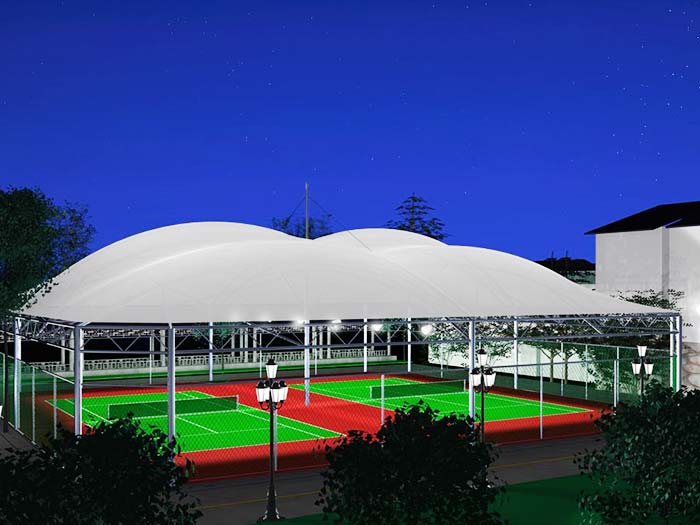
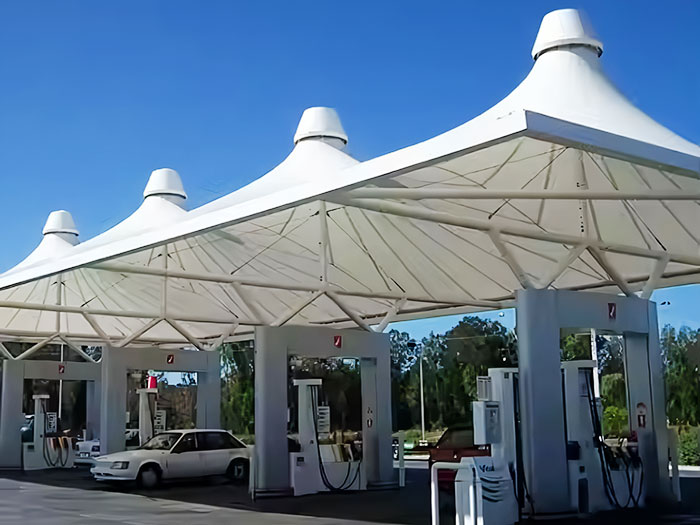
Building Structures: Industrial plants, high-rise and super high-rise building frames, convention centers, stadiums, and other large-span spatial structures.
Bridges and Transportation: Bridge main beams and piers, high-speed railway stations, subway and integrated utility tunnel supports, ports and lifting equipment.
Industrial Equipment: Heavy machinery bases, crane rail beams, conveyor equipment supports, chemical equipment platforms.
Energy and Municipal Engineering: Power transmission towers, wind turbine towers and foundations, photovoltaic support main structures, automated parking systems, oil pipeline supports.
Others: Shipbuilding and vehicle manufacturing, underground foundation piles (HP steel sections), etc.
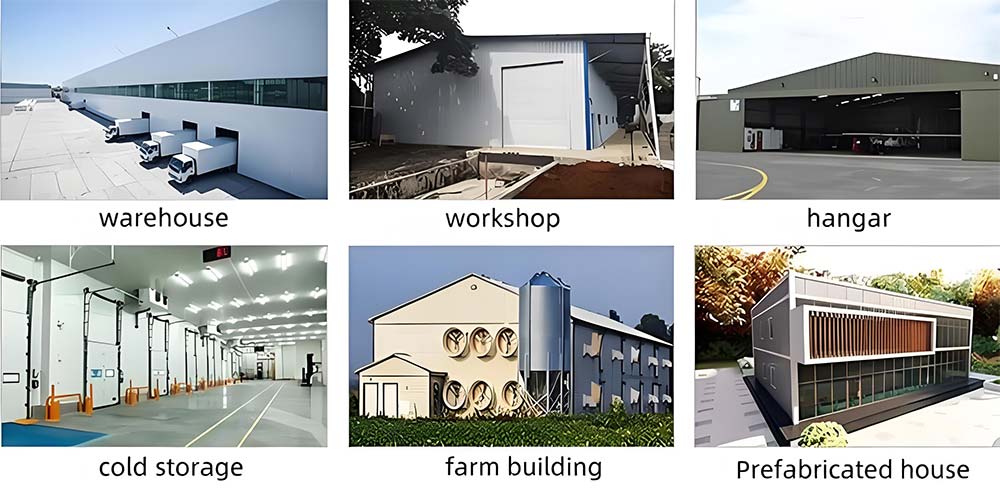
Selection and Ordering Tips
- The applicable standards (GB / ASTM / EN / JIS) and grades must be clearly specified.
- For column components, HW series is preferred; for beam components, HN series is preferred; HM is an option for both beam and column applications.
- Section strength, stability, and deflection calculations should be performed according to load, span, and seismic requirements.
- For welded or seismically sensitive components, the Material Certificate of Conformity (MTC) and impact toughness index should be verified.
- For outdoor and corrosive environments, the anti-corrosion process and zinc layer thickness should be clearly defined, and third-party testing by SGS/BV or other qualified inspectors should be arranged if necessary.
Our Global Application Industries